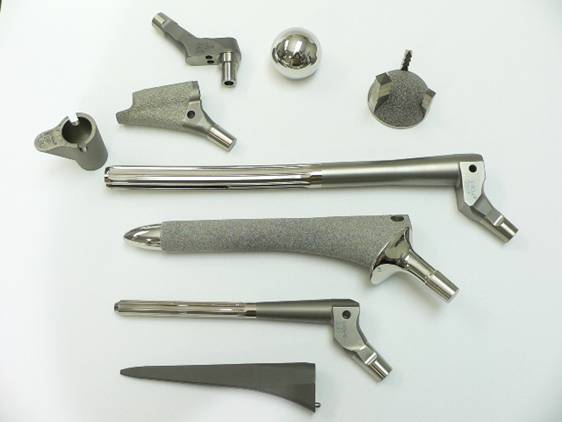
Titanium has countless uses in light and heavy industrial manufacturing all over the world. Literally thousands of consumer products contain titanium. Given the metal’s widespread popularity in retail goods, it is even more important in heavy industry, especially in the construction of aircraft.
Both military and commercial airplanes use a large amount of titanium in their wings, propellers, and landing gear. Because of the metal’s amazing strength and very low weight, it is far superior to steel in every application.
Perhaps the only negative aspect of titanium use involves cost. Some experts think the price of the wonder metal will decline as it becomes ubiquitous in commerce.
Weight is of utmost concern to aircraft designers and engineers. Because titanium is so much lighter than steel, and equally as strong, it is used throughout the design of the plane, from exterior parts to dozens of engine components. If there were no titanium, the modern aircraft industry as we know it would not be able to survive.
Because titanium can withstand temperature extremes, aircraft engineers use it extensively in engine parts. Unlike steel, titanium almost never cracks or breaks and functions properly in both very high and very low temperatures.
Titanium also resists rust, which means it has yet another huge advantage over steel. Airplanes tend to gather moisture as they travel, which is why titanium parts are used extensively in a plane’s exterior components. No rust means a longer life for all the plane’s parts that contain titanium.
Titanium is present in hundreds, even thousands of consumer products, but is more vital to the aircraft industry than to any other. Aluminum and titanium are commonly paired to create an alloy substance that is extremely strong, yet cheaper than pure titanium. In the modern age of aircraft construction, there is no doubt that titanium is the most important single substance.